

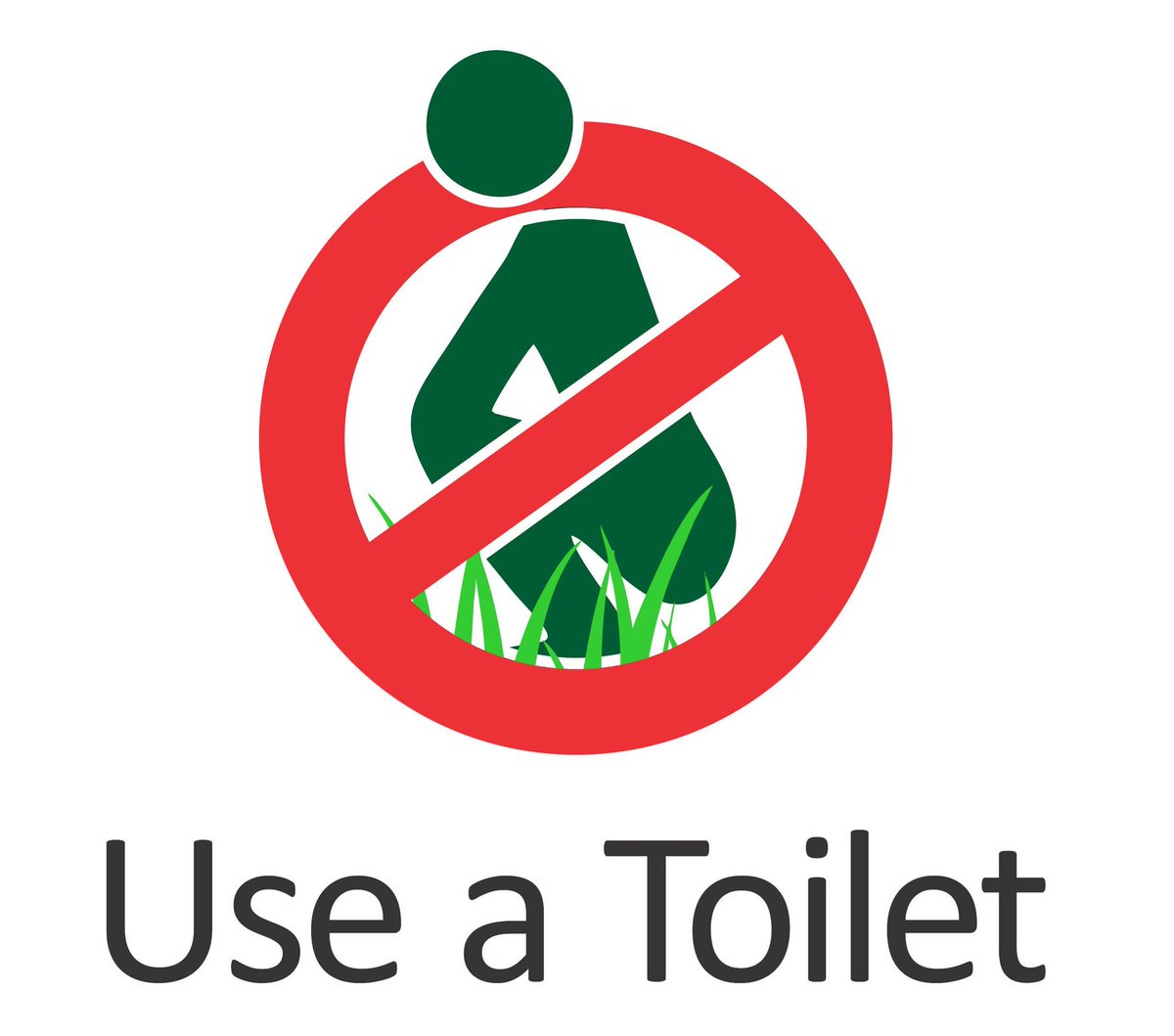
The Lagos State Government has revealed plans to construct 10,000 public toilets across the metropolis in a comprehensive effort to eliminate open defecation and improve sanitation infrastructure throughout the state.
The initiative forms part of the government’s commitment to ensuring that all residents have access to safe, affordable water supplies and adequate sanitation services across the commercial capital. The announcement comes amid growing concerns about public health risks posed by inadequate sanitation facilities in various parts of the city.
Engineer Mahamood Adegbite, Permanent Secretary in the Office of Drainage Services and Water Resources, disclosed the plans during the Lagos Water Partnership Steering Committee Meeting held at the Protea Hotel in Alausa, Ikeja. The meeting brought together stakeholders to discuss strategies for transforming Lagos into a water-resilient megacity.
The announcement follows a recent investigative report that highlighted the severe health and environmental risks associated with inadequate sanitation facilities across the state. The investigation documented conditions at major motor parks where the absence of public toilets has led to widespread open defecation, creating significant public health hazards.

The report chronicled how Lagos, despite its status as Nigeria’s commercial centre, has many major motor parks lacking basic sanitation facilities. Passengers, drivers, traders, and homeless youths who frequent these locations have been compelled to defecate or urinate in open spaces around the parks, behind parked vehicles, near rail tracks, and in enclosed spaces.
According to a statement issued on Thursday by Kunle Adeshina, Director of Public Affairs at the Ministry of Environment and Water Resources, the steering committee meeting underscored the collective commitment to addressing the city’s sanitation challenges. The permanent secretary emphasised that every decision made at the gathering would impact millions of Lagos residents.
The proposed programme will establish 100 public facility units containing 10,000 toilet units across communities throughout Lagos. Mr Adegbite characterised the initiative as demonstrating the administration’s commitment to ending open defecation in the state whilst simultaneously creating investment opportunities in the sanitation sector.
The permanent secretary outlined seven vision statements for Lagos’s water resilience that will guide implementation of the programme. These include improved mapping, enhanced infrastructure data, expanded access to services, stronger investment frameworks, upgraded sanitation facilities, digital transformation, and reduced water losses. He stressed that achieving these objectives requires the high-level coordination that only the steering committee can provide.
The investigative report that preceded the announcement detailed how open defecation persists across Lagos’s busy transportation hubs. From Oshodi to Mile 2, Iyana-Iba, and other motor parks, evidence of the practice remains visible in corners, behind fences, and around makeshift structures.
The foul odours that pervade the city’s main transportation routes pose daily threats to the health and wellbeing of thousands of users. Commuters, including bus drivers, traders, and particularly homeless young people who sleep at parks or under bridges in these areas, have been forced to resort to unsanitary practices due to the absence of proper facilities.
With Lagos’s population estimated at over 21 million residents, the inadequate sanitation infrastructure places public health at considerable risk in one of Africa’s most densely populated urban centres. The lack of proper toilet facilities contributes to the spread of waterborne diseases and creates unsanitary conditions that affect both residents and visitors to the city.
Public health experts have long warned about the consequences of inadequate sanitation in densely populated urban environments. Open defecation contaminates water sources, spreads diseases, and creates breeding grounds for disease vectors such as flies and mosquitoes, all of which threaten community health.
The government’s announcement of the ambitious toilet construction programme represents a significant policy response to these documented challenges. The scale of the initiative, involving 10,000 toilet units across 100 facilities, suggests recognition of the magnitude of the sanitation deficit facing the state.
Implementation of the programme will require substantial financial resources, coordination across multiple government agencies, and engagement with private sector partners who may participate in the construction and maintenance of facilities. The permanent secretary’s reference to creating investment opportunities suggests that the government may pursue public-private partnership models for delivering the infrastructure.
Location selection for the 100 public facility units will likely prioritise areas with the greatest sanitation needs, including motor parks, market places, and densely populated residential areas currently lacking adequate toilet facilities. Strategic placement of facilities will be crucial for ensuring they serve the maximum number of residents and visitors.
The initiative aligns with broader efforts by Nigerian authorities to achieve open defecation-free status, a national goal that has proven challenging to accomplish given rapid urbanisation, population growth, and infrastructure deficits. Lagos, as the country’s largest city and economic hub, faces particular challenges in providing adequate sanitation for its vast population.
Successful implementation of the programme could serve as a model for other Nigerian cities struggling with similar sanitation challenges. The lessons learned from constructing and maintaining such an extensive network of public toilets in Lagos might inform approaches adopted by other urban centres seeking to improve their sanitation infrastructure.
The government will need to address questions regarding maintenance of the facilities once constructed, as poorly maintained public toilets can quickly become unusable and fail to serve their intended purpose. Establishing sustainable funding mechanisms for ongoing maintenance will be essential for ensuring the long-term success of the initiative.
Community engagement and behaviour change communication will also play important roles in the programme’s success. Encouraging residents to use the new facilities rather than continuing open defecation practices will require sustained public education efforts and the creation of a culture that values and maintains public sanitation infrastructure.
As planning for the ambitious construction programme advances, stakeholders will be watching closely to see how the government translates its announcement into concrete action that delivers tangible improvements in sanitation across Lagos. The initiative represents a significant test of the administration’s capacity to address fundamental infrastructure challenges affecting millions of residents.

